In 1993, the FDA authorized the first human study of ibogaine through an Investigational New Drug application led by pioneering researcher Dr. Deborah Mash at the University of Miami.
The research began, but funding ran out, and its development in the U.S. stalled. Ibogaine did not disappear. Patients continued seeking treatment abroad, while clinicians and researchers kept building knowledge around its potential, risks, and responsible use.
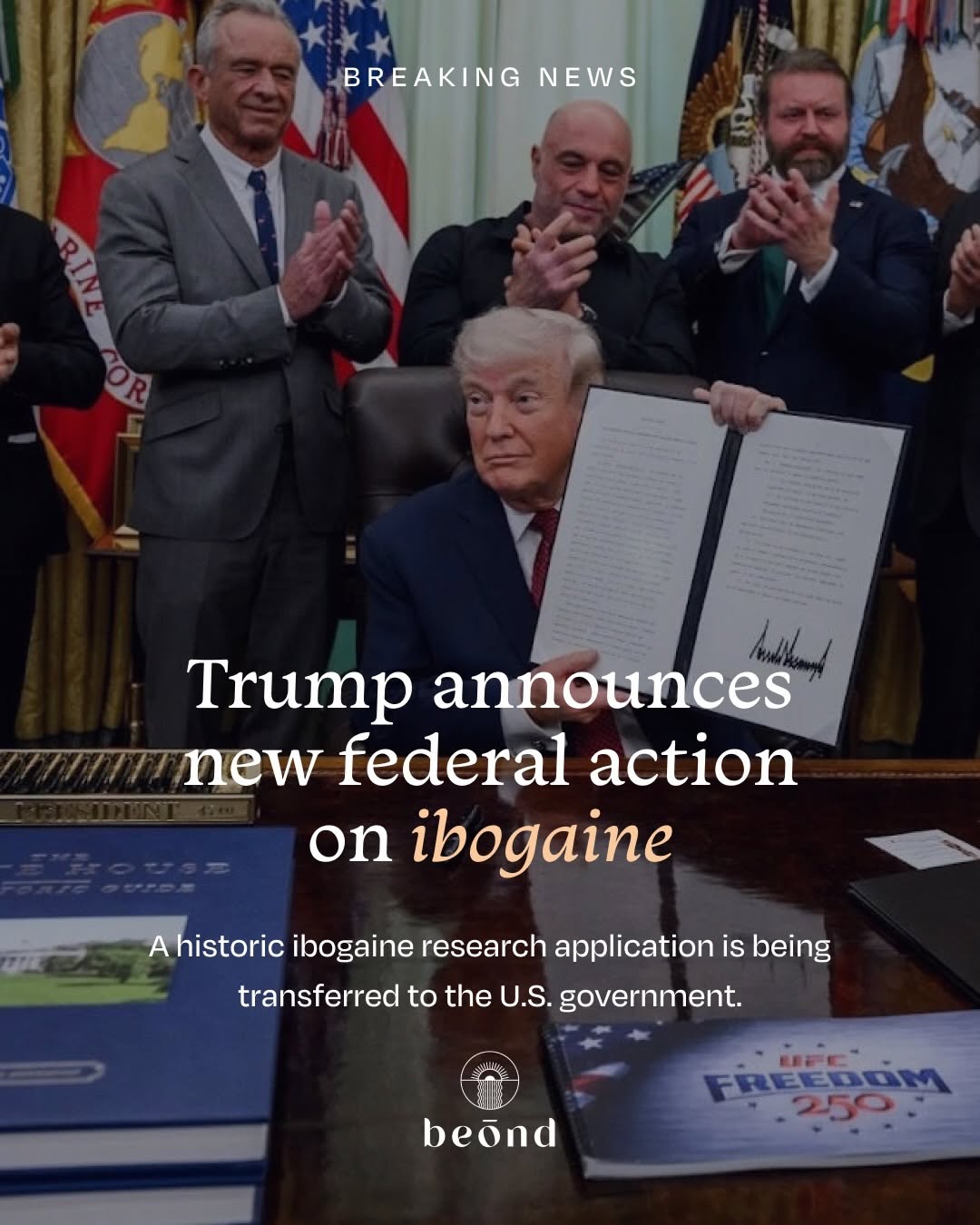
This week, President Trump announced that the University of Miami has transferred that original IND application to HHS Secretary Robert F. Kennedy Jr. and the federal government.
More than 30 years later, this foundational work may once again help inform — and accelerate — the future of ibogaine research in America.
The timing matters. Fentanyl, polysubstance use, complex medication histories, PTSD, traumatic brain injury, and chronic pain have changed the clinical landscape, and the level of care required to support patients safely has changed with it.
This is especially significant for veterans. The Department of Veterans Affairs has taken a growing interest in ibogaine as a treatment for combat-related PTSD and TBI, and this transfer gives the VA and federal researchers direct access to the foundational data needed to move faster on their behalf.
Historical research can provide a foundation. The next chapter requires contemporary evidence, rigorous safety standards, and medical systems built specifically around ibogaine.
At Beond, thousands of treatments have been supported through comprehensive screening, physician-led care, continuous cardiac monitoring, electrolyte management, emergency readiness, and multidisciplinary support.
In April, the administration directed federal agencies to accelerate psychedelic research and develop potential pathways for responsible access. Today, companies and institutions are being invited to join that work, and Beond is ready to help.