
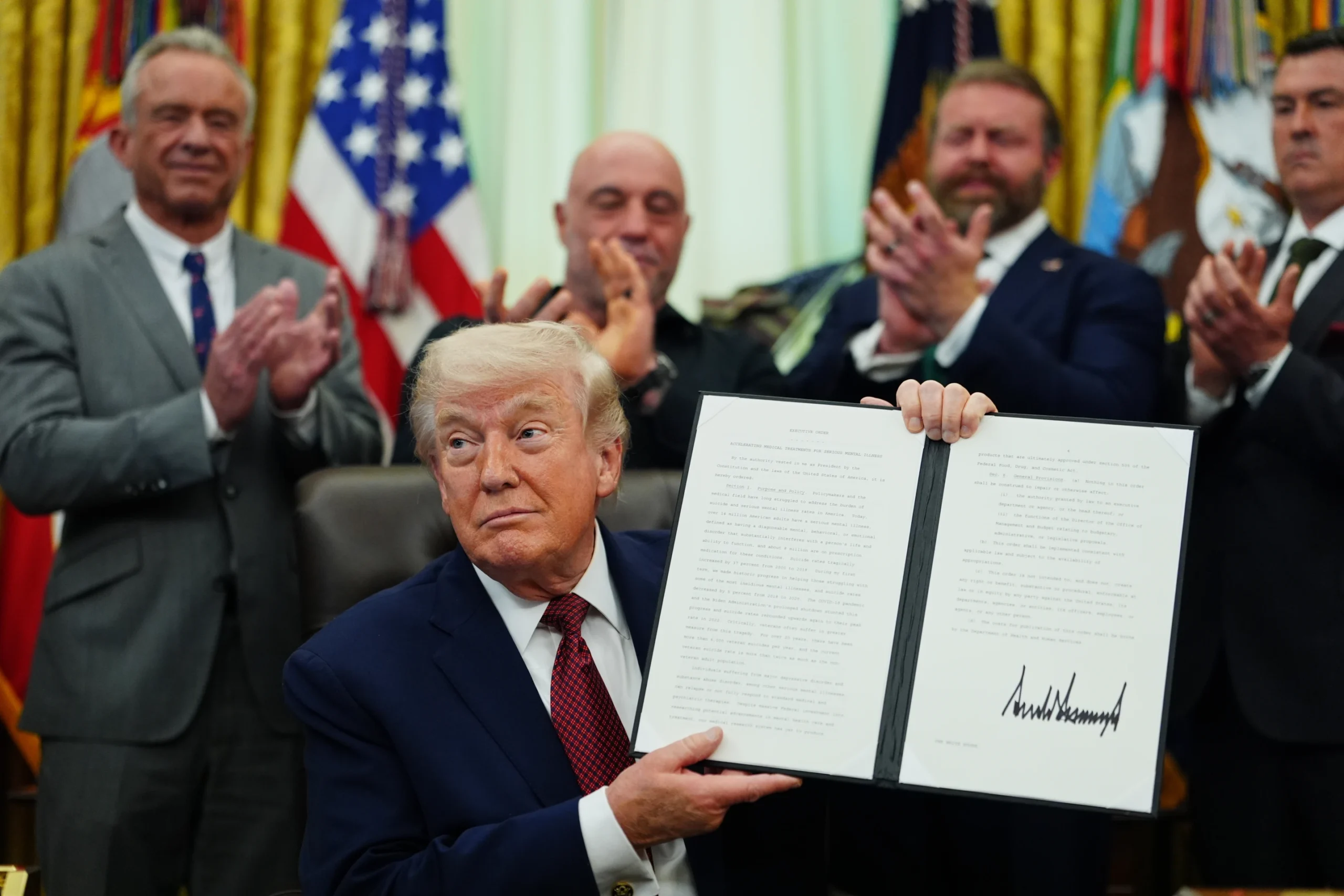
Today marks an important moment in the U.S. conversation around ibogaine, especially for veterans, families, and patients who have exhausted conventional options without meaningful relief.
President Donald Trump signed an executive order directing federal agencies to accelerate review pathways for certain psychedelic therapies, including ibogaine compounds. This does not mean ibogaine is approved in the United States. But it does mark a major shift in how the therapy is being viewed at the national level.
The order is designed to speed research, review, and potential approval pathways for certain psychedelic therapies including ibogaine that have already shown early promise in clinical settings. It also calls for stronger coordination across agencies, including support for veterans, expanded access pathways under the Right to Try Act, and a clearer route toward future regulatory review if clinical evidence continues to develop.
The order calls for FDA review prioritization for eligible psychedelic drugs, directs the FDA and DEA to establish a Right to Try access pathway for eligible patients, including for ibogaine compounds, and commits at least $50 million in HHS funding to support state-level psychedelic programs and federal-state collaboration.
Ibogaine is not a conventional intervention. What matters next is not hype, but execution: rigorous science, disciplined safety standards, physician-led protocols, and real-world outcomes data. That is especially important because ibogaine remains unapproved in the U.S., psychedelics remain tightly restricted at the federal level, and researchers continue to emphasize the need for careful study and medical oversight due to known cardiac risks.
For years, ibogaine has been treated as fringe in the United States, even as veterans, researchers, and advocates continued to push the conversation forward. Today’s action does not settle the science, but it does move ibogaine further into formal federal discussion around serious mental illness, addiction, and veteran care.
The White House order presents psychedelics, including ibogaine compounds, as having potential for patients whose conditions persist after standard therapy, while major news coverage has described the announcement as a meaningful step toward broader federal acknowledgment.
Notably, ibogaine was singled out by name in the executive order, a level of specificity that stands out in the broader psychedelic policy conversation. This suggests how central ibogaine has become in current discussions around addiction, trauma, and treatment-resistant mental health conditions.
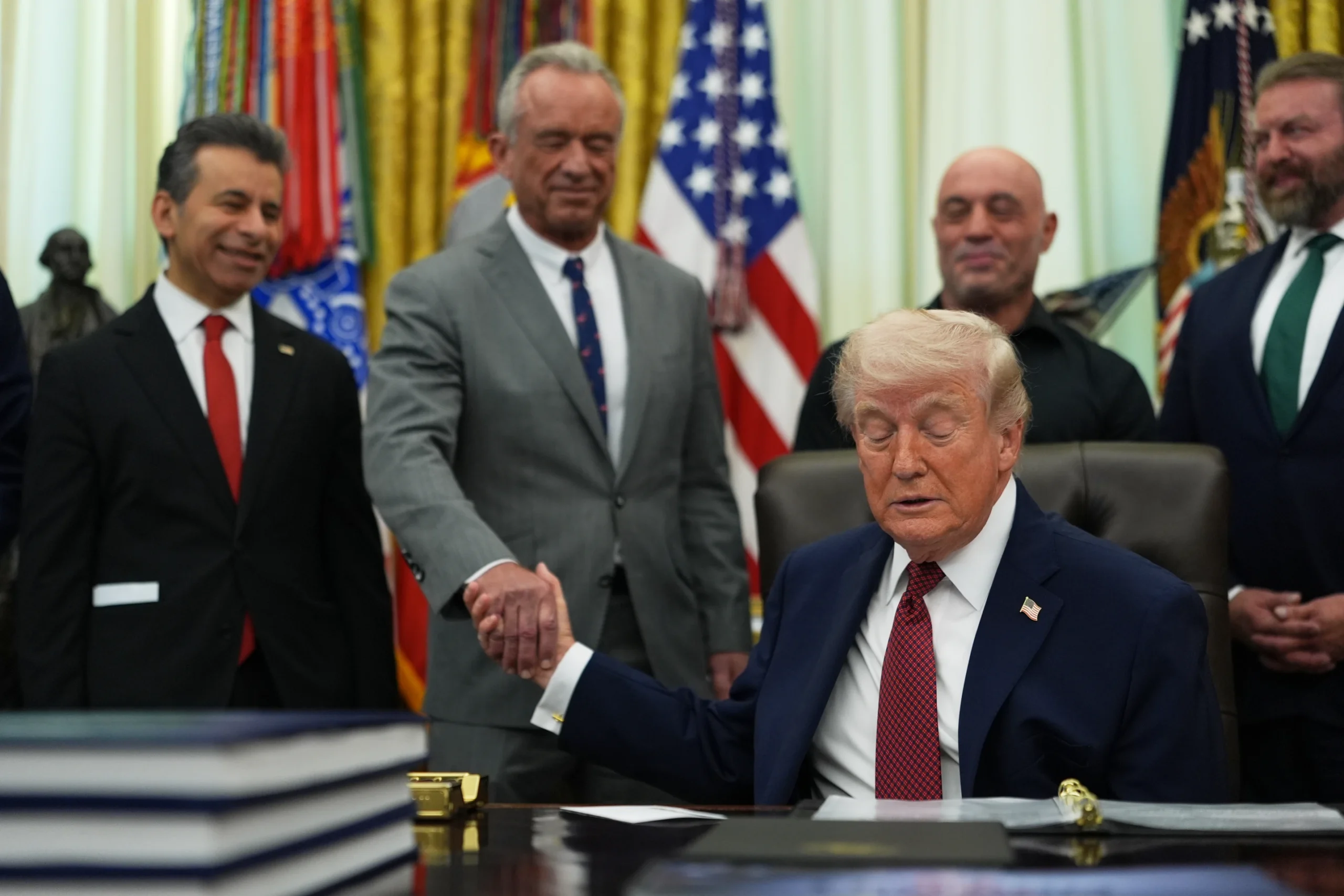
As Tom Feegel of Beond noted in today’s Associated Press coverage: “There will be no insurance coverage (yet), it will still be considered unapproved and non-covered care. But what it does mean is that ibogaine shifts from being fringe and underground to being federally acknowledged.” He also shared that Beond treated 2,000 people with ibogaine last year and provided free treatment to about 100 veterans.
The United States now has an opportunity to lead responsibly. If this next chapter is going to matter, it will depend not on headlines alone, but on clinical rigor, transparent data, and the ability to build safe, credible treatment frameworks around a therapy that is finally receiving serious federal attention.
Photos by Julia Demaree Nikhinson / AP Photo