Our programs
How it works
For people ready to stop, and tired of starting over.
Addiction is a medical condition, not a lack of willpower, and stopping is hard when withdrawal and cravings take over. Beond’s medically supervised ibogaine program is designed to help reduce withdrawal and cravings and to support the start of recovery. Most guests come for opioid, alcohol, or stimulant dependence, and we also treat behavioral dependencies.
Many describe quieter cravings and more room to think afterward, and for many, something more: a renewed sense of purpose, and a reason to stay well. Relapse can still happen, so preparation and integration are part of every program.

We are always learning and improving our protocols. This page describes our approach as of October 2026.
Addiction is what we know best. It's where Beond started, and where many of our thousands of treatments have been.
Ibogaine has been studied for addiction since the 1960s, following Howard Lotsof’s 1962 report that it interrupted his own withdrawal.
Small studies report less withdrawal and craving in opioid dependence and longer abstinence in some people. No large randomized trial has confirmed these results. In animal studies at UCSF, ibogaine reduced alcohol drinking and raised a growth factor called GDNF in a reward region of the brain. Researchers believe similar changes may help some people interrupt cravings, but this is still being studied in people.
At Beond, ibogaine is given under physician supervision with continuous monitoring.
Jordan Belfort, The Wolf of Wall Street, shares his experience at Beond. He came as a guest and paid full price for his stay; this was not a paid testimonial or a content exchange. Individual experience; results vary. Shared with his authorization.
Withdrawal and cravings are only part of addiction. For many people, substances filled a space left by pain, disconnection, or a life that stopped feeling like their own. Getting physically free is the first step; finding a reason to stay free is the other half of recovery.
That’s where many guests tell us ibogaine surprised them most. During the reflective hours after treatment, people often describe seeing their lives more clearly: what led them here, what they’ve been carrying, and what still matters to them. Many talk about reconnecting with themselves, with the people they love, and with something larger than themselves, whether they call it purpose, faith, or simply hope. Some say it’s the first time in years they could imagine a future worth protecting.
We can’t promise that experience, and it doesn’t happen the same way for everyone. But it’s why we don’t treat ibogaine as a medical procedure alone. Our coaches help you understand what came up, turn it into a plan for home, and keep that sense of meaning alive in the months after you leave. Individual experience; results vary.

What you use and when you last used it shapes your plan.
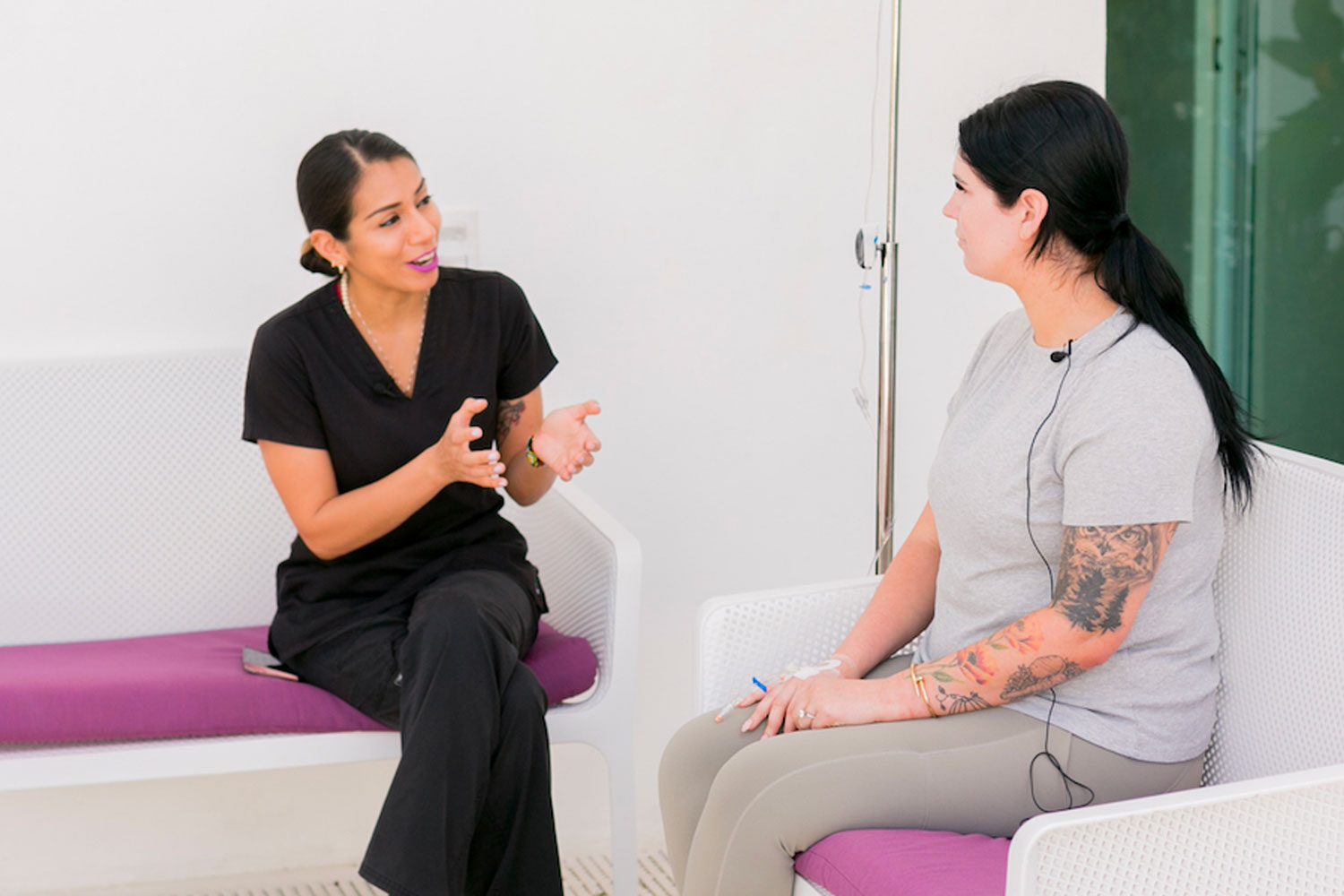
Our physicians review your history, tests, and medications to decide whether treatment is medically appropriate and how to manage withdrawal safely.
People physically dependent on opioids receive medical stabilization before treatment. Buprenorphine (Suboxone) needs a 30-day washout first.
If you cannot safely refrain from drinking for 7 days before arrival, you go through a supervised medical alcohol protocol with us before any ibogaine, which brings your stay to 14 days.
Never stopped suddenly; you may need a supervised taper first, because withdrawal seizures raise risk.
We work out the timing with you before you book your stay.
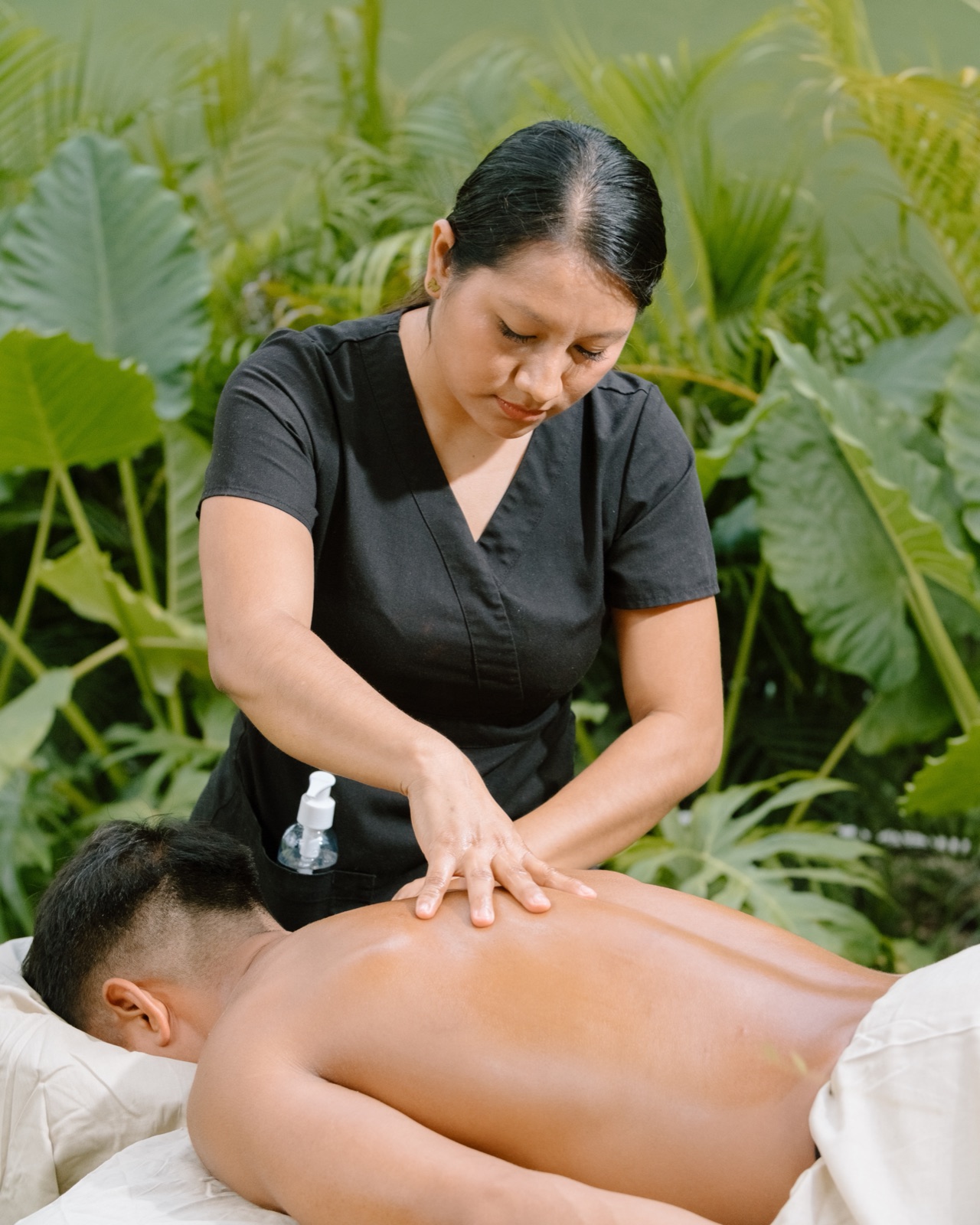
Your days here are built around rest and care. You’ll have your own room to come back to, fresh meals from our chefs, and a daily massage.
Between ibogaine dosing days, you can join group workshops on preparation and integration, and choose from yoga, breathwork, cold plunge therapy, meditation, sound healing, bodywork, acupuncture, and gentle movement, or simply sit by the pool in the quiet. You’ll be among other guests going through the same thing, and many people say that community is one of the most meaningful parts of their stay.

Most guests have more than one session with the medicine, when it’s medically advised and decided together with you.
Over thousands of treatments, our medical team has found that several doses spread across a 10-day stay, rather than a single large dose, often work better for our guests: each session builds on the last, and there’s time to rest, reground, and return with new questions. Your physician plans the doses and timing. On treatment day, a nurse stays at your side the entire time, physicians are monitoring you, and your heart is on a continuous monitor.
The ibogaine experience is different for everyone.
Many people describe a dreamlike state with their eyes closed, where memories, images, and feelings surface, sometimes moments from childhood or people they love, viewed with unusual clarity and less judgment. It can be gentle, it can be hard, and often it’s both. It usually lasts several hours, followed by a quieter, reflective period of a day or more, when many people say they finally understood something about themselves. You’re never alone in it: your nurse is right beside you, and your coach helps you make sense of it afterward. Many people also report less withdrawal and fewer cravings afterward.

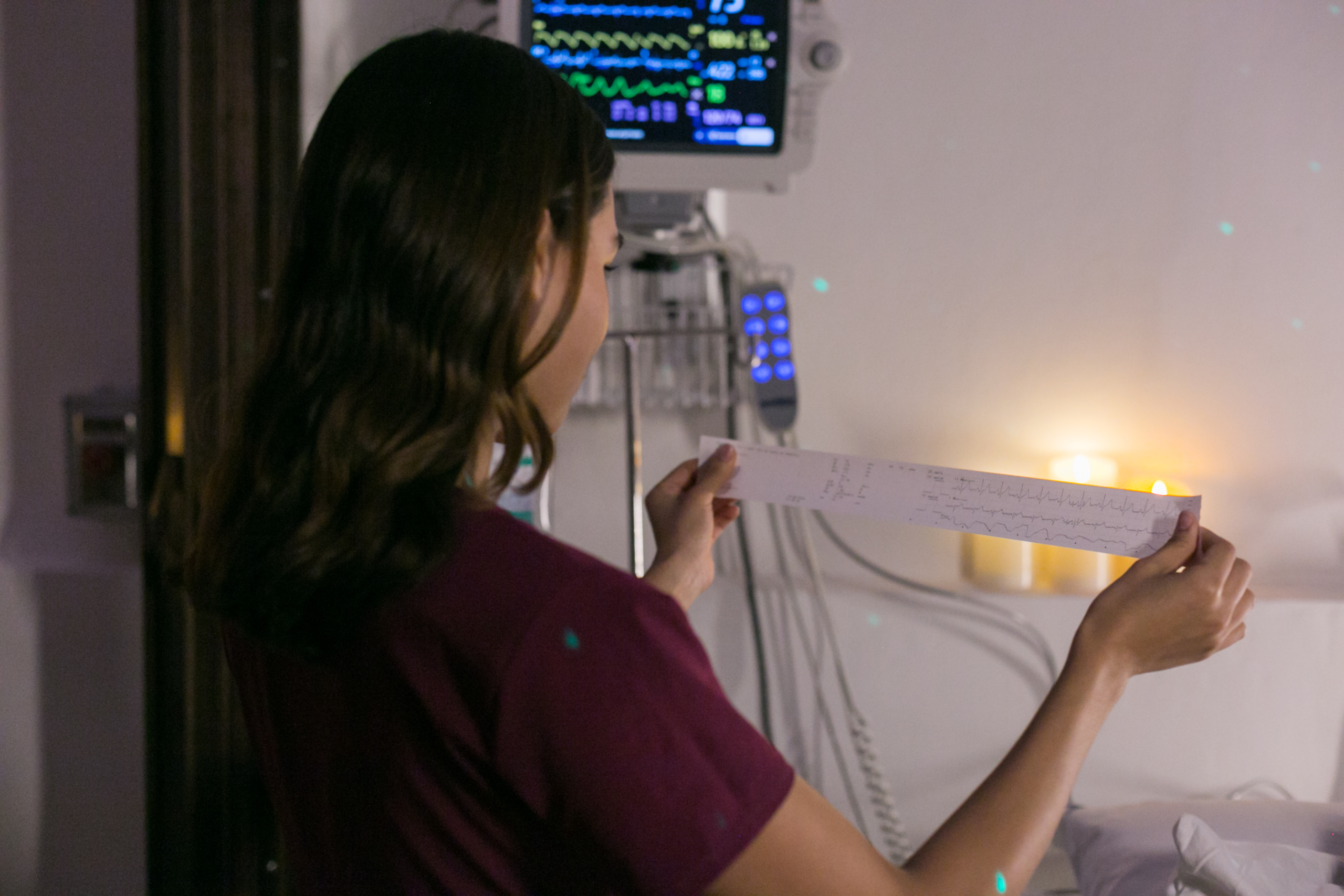
Ibogaine carries medical risk, mainly to the heart, and that risk can be greatly reduced with careful screening, continuous cardiac monitoring, repeat ECGs, lab work, and magnesium and other electrolytes given through an IV.
We have about four staff for every guest, and over more than 6,000 treatments we’ve learned a great deal and keep improving our protocols. No protocol can remove risk entirely.
See exactly how we screen, monitor, and respond on our Safety page.
The evidence for ibogaine here is still early: there is a theoretical basis and one small placebo-controlled trial. We have treated people with stimulant use disorder. If this is your situation, it’s worth a conversation, and we’ll tell you honestly where ibogaine sits among your options.
Addiction is a chronic, relapsing condition. We’d rather tell you that now. What happens next depends on the work afterward:
You don’t have to have all of this figured out before you call. During your stay, you’ll shape your own plan for life back home, in your own words, with our team guiding and supporting you along the way.
Returning home can bring familiar challenges alongside the people and routines that support you.
Before you leave, you and your coach build a practical plan: who you’ll call, how you’ll find support, and what you want to do differently.

For many people, ibogaine is the beginning of a new phase of care. Decide in advance what you’ll return to and have it arranged. Our therapists and coaches are certified in their disciplines.
When time allows, you're matched with a coach for two virtual one-on-one preparation sessions.
Daily group workshops, and on days you're not receiving ibogaine, one-on-one coaching every day.
Two more one-on-one virtual sessions, scheduled when you're ready, with the option to book more; free weekly virtual group coaching; and access to Beond Circle, our alumni community platform.
No. Stopping some medications suddenly can cause withdrawal or seizures, or bring symptoms back, and some raise risk with ibogaine. Our physicians advise on any taper or stabilization you need before treatment, and ask you to work through those changes with your own prescriber.
The average stay is 10 days. When our physicians prescribe a 14-day program for chemical dependency, it costs $5,000 more. See pricing for details.
It can happen. Addiction is often a chronic, relapsing condition, so every program includes integration support on site and after you leave: virtual one-on-one sessions, weekly group coaching, and Beond Circle. We strongly encourage you to build your own support into your plan before you arrive, such as a personal therapist, community support, friends, and family, and to make changes at home that will help you after you return.